
If you’ve ever woken up with a dull ache in your jaw that stretches up to your temples, you aren’t alone. Many of our neighbors here in Melbourne, FL, struggle with the daily reality of TMJ disorders.
It starts as a little clicking when you chew, but before you know it, you’re dealing with chronic headaches, a locked jaw, and a constant feeling of tension that just won't go away. We understand how frustrating this is. It affects how you eat, how you talk, and even how you sleep.
When people hear the word "Botox," they usually think of smoothing out wrinkles. But for those of us in the orofacial pain world, it is a game-changer for non-surgical relief.
At Melbourne TMJ and Orofacial Pain Center, we see firsthand how this treatment helps patients reclaim their lives. Let’s dive into how it actually works and why it might be the solution you’ve been searching for.
What Exactly is Botox for TMJ?
Botox is a purified protein that acts as a "muscle relaxer" on a very deep level. When we use it for TMJ (Temporomandibular Joint) issues, we aren't focused on aesthetics. We are focused on function.
Think of your jaw muscles like a rubber band that has been stretched too tight for too long. Botox helps that rubber band finally let go.
It works by blocking the signals from your nerves that tell your muscles to contract. When we inject it into the overactive muscles responsible for jaw movement, it forces them to take a much-needed break.

How It Works: The Science Simplified
We like to keep things "medical-lite" here. You don’t need a PhD to understand why you’re in pain, but knowing the "why" can help you feel more confident in your treatment.
Inside your body, there is a neurotransmitter called acetylcholine. This is the messenger that tells your muscles, "Hey, clench now!"
In people with TMJ disorders, that messenger is working overtime. Whether it’s due to stress, a misaligned bite, or habitual grinding (bruxism), the muscle stays in a state of high alert.
Botox essentially "mutes" that messenger. By preventing the release of acetylcholine, the muscle tension drops significantly.
The best part? You can still chew your favorite Florida seafood and chat with your friends. Botox doesn't paralyze the jaw; it simply stops the excessive force that causes pain.
Where Does the Tension Live?
When you come in to see us, we don't just start poking around. We look for the "hot spots." For most TMJ sufferers, the pain is concentrated in two main areas:
- The Masseter Muscles: These are the big muscles on the side of your jaw. If you clench your teeth right now and feel the side of your face, you’ll feel them pop out. These are the strongest muscles in the body relative to their size!
- The Temporalis Muscles: These are fan-shaped muscles on the sides of your head. When these are tight, you get those "tension headaches" that feel like your head is in a vice.
By targeting these specific spots, we can address both the jaw pain and the radiating headaches that often come with it.

Why See Dr. Panol for This?
This is a big one for our Melbourne community. While you can get Botox at many places these days: from med-spas to general dentist offices: TMJ is a complex neurological and muscular issue.
Our owner, Dr. Hanzara Panol, is a Cuban-born specialist who brings a unique level of expertise to the table. She isn't just a practitioner; she is the only board-certified orofacial pain specialist in Melbourne, FL.
Why does that matter? Because treating jaw pain isn't just about the injection. It's about understanding the "why" behind the pain. Dr. Panol understands the intricate dance between your nerves, joints, and muscles.
She provides a level of precision that ensures the treatment is effective and safe. You can learn more about her journey and expertise on our Dr. Panol Bio page.
What Does the Procedure Feel Like?
We know many people are a little nervous about needles. We promise: it’s much easier than you think!
- The Consultation: We start by mapping your muscles. Dr. Panol will have you clench and relax so she can feel exactly where the tension is highest.
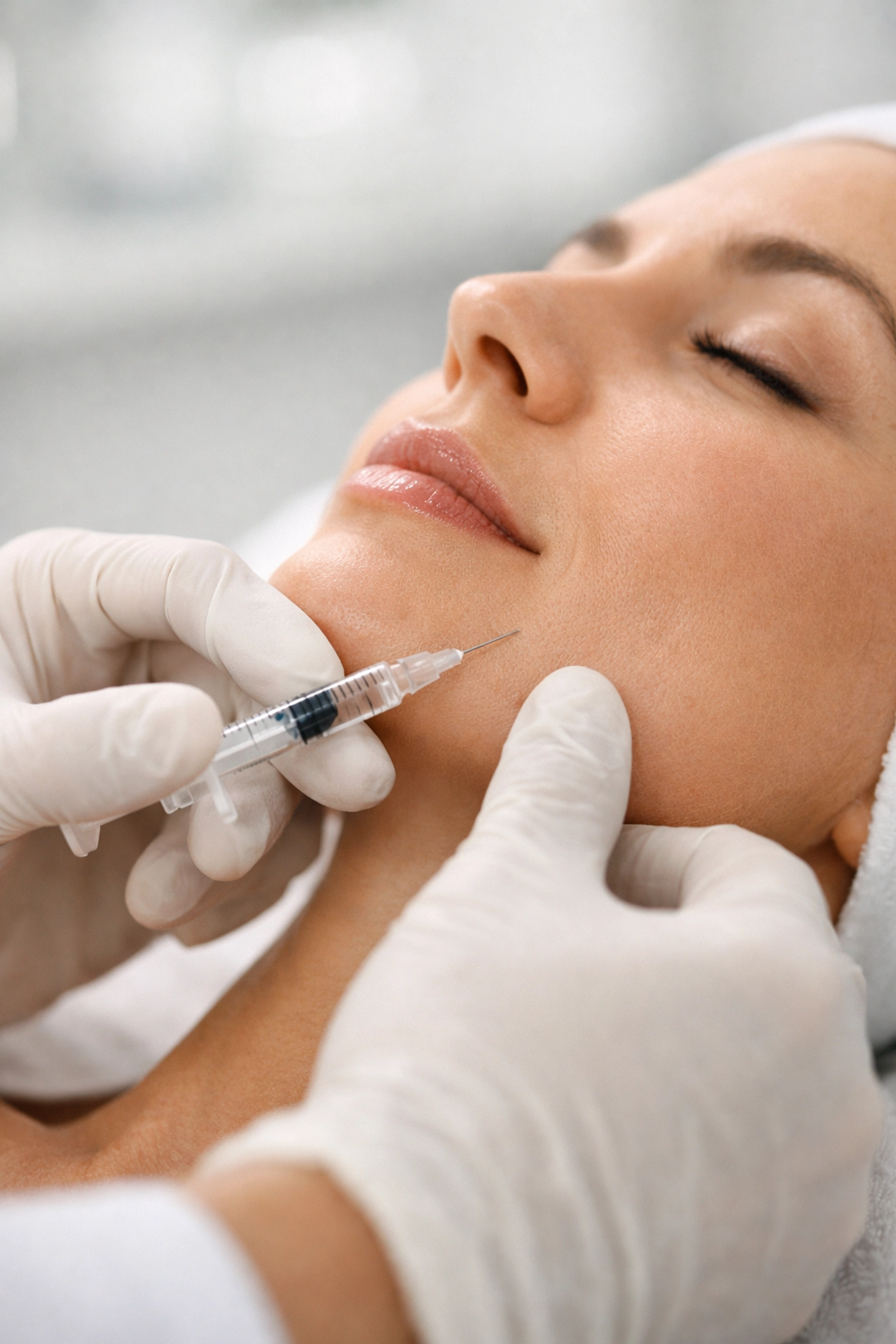
- The Injections: We use tiny, fine needles. Most patients say it feels like a quick pinch or a mosquito bite.
- The Timing: The whole thing usually takes about 10 to 15 minutes. You can literally do this on your lunch break and head right back to work.
There is no "downtime." You might have a little redness at the site, but that usually disappears before you even get back to your car.
The Timeline: When Will You Feel Better?
Botox isn't an "instant" fix like an aspirin, but it is fast. Here is what you can generally expect:
- Days 2-7: You’ll start to notice that your jaw feels a little "lighter." The constant urge to clench starts to fade.
- Day 14: This is usually when the full effect kicks in. You might wake up and realize your head doesn't ache for the first time in months.
- Months 3-6: This is the "sweet spot" where the relief lasts. Over time, as your muscles "unlearn" the habit of clenching, you might find you need treatments less frequently.
Botox is Part of a Bigger Picture
While Botox is an incredible tool for relief, we rarely suggest it as a "one and done" fix. At Melbourne TMJ and Orofacial Pain Center, we believe in a holistic approach.
Think of Botox as the tool that lowers the "pain volume" so we can work on the underlying causes. We often combine it with:
- Customized night guards to protect your teeth.
- Physical therapy exercises for the jaw.
- Stress management techniques (because we know life in Florida isn't always a beach day!).
By relaxing the muscles with Botox, it becomes much easier for your body to respond to these other therapies.

Add These to Your TMJ Relief Checklist
While you wait for your appointment, here are a few things you can do to help your jaw relax:
- The "N" Position: Keep your tongue gently touching the roof of your mouth, just behind your front teeth (like you’re saying the letter "N"). This keeps your teeth apart and your jaw relaxed.
- Soft Foods: Give your masseters a break. Switch to smoothies, pasta, or fish for a few days when the pain is flaring up.
- Heat vs. Cold: Use a warm compress to relax the muscles or a cold pack to numb the sharp pain.
- Watch Your Posture: Believe it or not, slouching at your desk can put extra strain on your neck and jaw.
Is It Right For You?
If you find yourself constantly rubbing your temples, struggling to open your mouth wide enough to eat a sandwich, or feeling like your teeth are "tired," it’s time to seek help.
We see patients every day who thought they just had to "live with it." You don't. Especially when there are non-surgical, highly effective options like Botox available right here in Melbourne.
Whether you're dealing with TMD or chronic headaches, our goal is to get you back to feeling like yourself.
Get Help Today
Dealing with chronic pain is exhausting, but taking the first step toward relief shouldn't be. We pride ourselves on having a friendly, easy-to-reach environment where you feel heard and cared for.
Dr. Panol and our entire team are here to help you navigate your journey to a pain-free life. It’s easy to get started!
Ready to find out if Botox for TMJ is the right fit for you?
Contact us today to schedule your consultation. Let’s get that jaw relaxed and that smile back on your face!